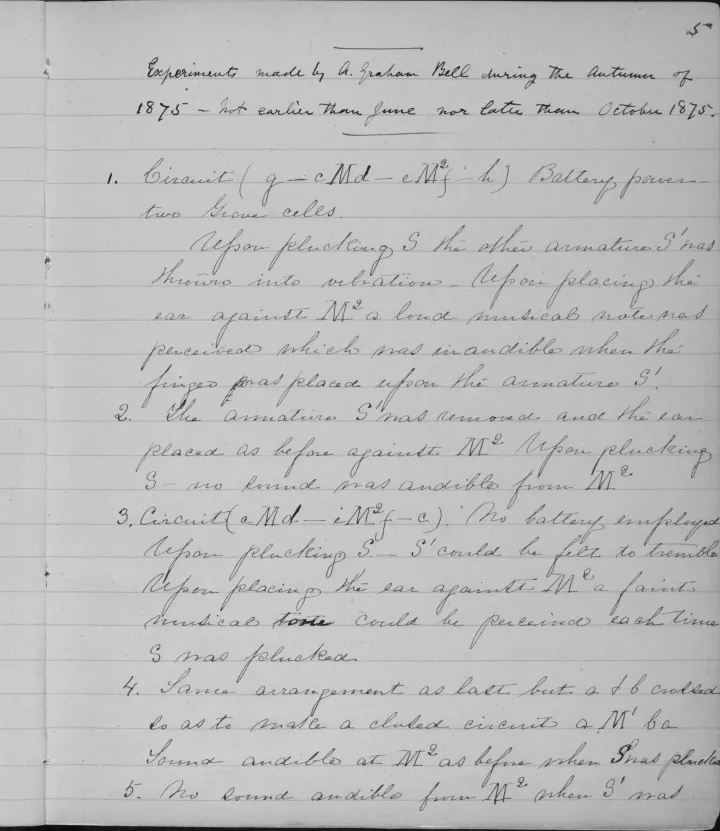
Plain OCR text versus structured Markdown
Plain text flattens every region into one stream. Structured Markdown distinguishes headings from body text, keeps list items separate, records page boundaries and provides a stable format for diffs, search and downstream parsing.
Use it in notes, knowledge bases and RAG carefully
Markdown is easier to version and chunk than a raw OCR stream, but formatting does not make uncertain recognition correct. Keep the source manifest and review flags beside the document, and verify quotations before publishing or retrieving them as facts.
Questions about this workflow
Will every heading be detected correctly?
No. Visual emphasis and semantic hierarchy are not always equivalent, so heading levels require review.
Can I use the Markdown in a RAG system?
Yes after review. Keep provenance and review flags so retrieved passages can be traced back to the source.
What if the PDF already has good text?
The free check helps identify whether deeper recovery is unnecessary.
 DocUnlockedFree checkEvidence